Info & Blog

Olio di Puglia


In the vicinity of Villa Edina you find vast olive tree plantations. You can find olive trees here that are 900 years old.

Nelle vicinanze della Villa Edina trovate immense piantagioni di ulivo. È possibile di trovare ulivi quí, che hanno 900 anni.

Benvenuti in Puglia, nella terra baciata dal sole e mitigata dal mare, nella terra dai colori intensi e decisi, nella terra degli ulivi, delle macine in pietra e delle pepite d’oro.

Sicuramente aveva ragione il folletto della grotta delle fate, quando apparso in sogno a un contadino, gli rivelò il segreto delle macine e delle pepite d’oro nascoste per secoli nella grotta: Ma non è oro, esclamò deluso il contadino, sono solo olive! E il Folletto, rassegnato, costatò: “ppoppiti ca nno ssiti, taniti l’oru e nu li canusciti!” Incoscienti che siete, avete l’oro e non lo riconoscete!
E’ l’olio, l’oro della Puglia, alimento antico e prezioso come la terra dalla quale è generato.  L’olio, il frutto di un clima generoso, ma anche il risultato di grande lavoro e dedizione da parte di chi, con amore e rispetto, coltiva e cura questi autentici monumenti della natura.

Raccolta olive (guardate questo video):


Dalla potatura alla raccolta, dalla macinatura al consumo, la coltivazione dell’ulivo in Puglia è da sempre circondata da un atavico rispetto e dedizione. Ogni goccia d’olio per noi Pugliesi è preziosa e racchiude in sé tutto un mondo di saperi e sapori unico e inimitabile. Provate a far cadere una goccia di olio su una fetta di pane casareccio appena sfornato e poi le tantissime ricette che si possono preparare con la base di olio di oliva, anche e soprattutto crudo! Provate a venire in visita nel Salento, in uno dei tantissimi paesini sparsi lungo la costa o nell’entroterra, quando la mattina dell’Immacolata in tante case è consuetudine preparare le prime “pittule” della stagione friggendole nell’olio appena spremuto, verde e profumato  e che pizzica in gola: un gesto benaugurante in attesa del Natale ma soprattutto di una buona annata di olive.
E, oggi che finalmente tutti i nutrizionisti sono concordi, abbiamo la possibilità di offrirvi questo prezioso alimento scegliendo tra i nostri, l’olio che al vostro palato è più gradito: l’olio dal fruttato verde di oliva con gusto dolce o l’olio dal fruttato netto di oliva  al profumo di mandorla, dal gusto dolce e armonioso; l’olio dal fruttato deciso e intenso, per il palato dei veri intenditori, lievemente piccante e amarognolo che pizzica in gola per la sua bassa acidità.
Approfittate dunque delle Vostre vacanze in Puglia, dal Salento al Gargano, per assaporare questo nostro olio famoso in tutto il mondo! Dalle alture del Subappennino Daunio ai dolcissimi pendii delle Serre Salentine, il Vostro tragitto per scoprire le bellezze naturali come il Mare e le spiagge di Puglia,  sarà anche un modo per ammirare i tantissimi ulivi secolari che fanno parte del paesaggio di questa terra.
Da nord della Puglia sino all’estremità del tacco d’Italia, sono tante le estensioni di oliveti tra i quali negli ultimi anni si stanno affermando le coltivazioni biologiche(con relativo olio di oliva biologico), mentre qui di seguito sono elencate le zone di produzione di olio DOP di tutta la Puglia.
1) L’olio DOP extravergine di oliva Collina di Brindisi, è’ prodotto nel territorio della provincia di Brindisi e nei comuni di Carovigno, Ceglie, Messapica, Cisternino, Fasano, Ostuni, San Michele Salentino, San Vito dei Normanni e Villa Castelli.  Le olive che lo producono  sono per il 70% circa l’Ogliarola, la  Cellina di Nardo’, la Coratina, il Frantoio,  il Leccino, e altre varieta’  per la restante parte.

2) L’olio extravergine di oliva Dauno DOP viene prodotto nell’intero territorio della Provincia di Foggia e viene prodotto per il 70% da diverse varietà di olive come la Peranzana, la Coratina, l’Ogliarola, la Garganica, la Rotondella. Comprende quattro categorie di olio: il Dauno Gargano , il Dauno Sub Appennino, il Dauno Basso Tavoliere e  il Dauno Alto Tavoliere l’olio dal  fruttato netto di oliva con gusto dolce, armonico e con buon profumo floreale che si sposa perfettamente con il pesce e gli antipasti di mare.
3)   L’olio extravergine di oliva Terra D’Otranto Dop  è un olio extravergine prodotto nell’intero territorio amministrativo della Provincia di Lecce e molti comuni della Provincia di Taranto. Si ottiene da diverse  varieta’  di olive come la Cellina di Nardo’e Ogliarola per almeno il 60%. Per il resto concorrono altre varieta’  presenti negli oliveti.
4)   L’olio  extravergine di oliva Terra di Bari  Dop Olio è un olio extravergine di oliva prodotto nella Provincia di Bari e si ottiene  da diverse varietà di olive tra le quali la Coratina, la Cima di Bitonto, la Cima di Mola, e altre varietà presenti negli oliveti. Comprende l’Olio di Castel del Monte, di Bitonto, Murgia dei Trulli e delle Grotte.

http://www.oliopuglia.it/

L’olivo

L’olivo o ulivo (Olea europaea) è una pianta da frutto. Originario del Vicino Oriente, è utilizzato fin dall’antichità per l’alimentazione. I suoi frutti, le olive, sono impiegate per l’estrazione dell’olio e, in misura minore, per l’impiego diretto nell’alimentazione. A causa del sapore amaro dovuto al contenuto in polifenoli, l’uso delle olive come frutti nell’alimentazione richiede però trattamenti specifici finalizzati alla deamaricazione (riduzione dei principi amari), realizzata con metodi vari.

Sarcofagi sott’acqua di San Pietro in Bevagna

Guarda questo video fantastico:

sarcofagisanpietro

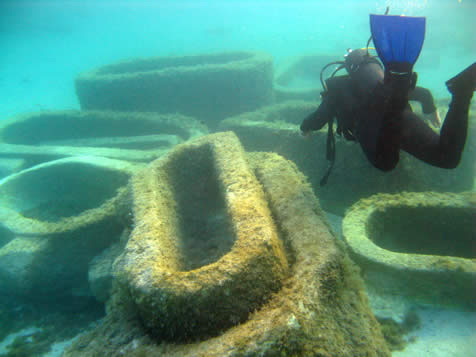
I sarcofagi di San Pietro sono il più grande giacimento archeologico sottomarino di questa zona, uno dei più importanti di tutto il Mediterraneo. Le grandi vasche giacciono in fondo al mare, a circa 6 m di profondità, a poca distanza dalla costa del villaggio di San Pietro in Bevagna, a circa 100 m dalla foce del fiume Chidro. Sono 23 opere colossali, pesantissime, in marmo, inabissatesi nel III sec. d.C. , con la nave lapidaria che le trasportava a Roma. Sono sarcofagi per sepolture di grandi uomini dell’Urbe. Il mare, da circa mille e settecento anni, fa da custode di questi tesori veramente regali.

In the sea off San Pietro in Bevagna, (less than 2 kilometres from Villa Edina) the wreck of a Roman ship carrying a cargo of marble sarcophagi dated to the 3rd century AD was found. It lies on the bottom in 3 to 6 m of water, 70 m off the beach and the Chidro river mouth. The twenty white marble sarcophagi are unfinished rtefacts varying in size. Ten are rectangular in shape; the others are of the lenos type, with rounded ends and projecting bosses that could be carved into busts or lion heads. Both types of sarcophagi are attested in the Roman imperial age. A mineralogical-petrographical study was performed on samples taken from both types and the δC 13 and δO18 isotopes were determined. The analytical data established that both types of sarcophagi are of dolomitic marble from the Thasian quarries of Cape Vathy-Saliara.

Natural Parks on the beach (Salina dei Monaci e la Palude del Conte, La Riserva regionale Foce del Chidro)

Natural Parks on the beach (Salina dei Monaci e la Palude del Conte, La Riserva regionale Foce del Chidro)

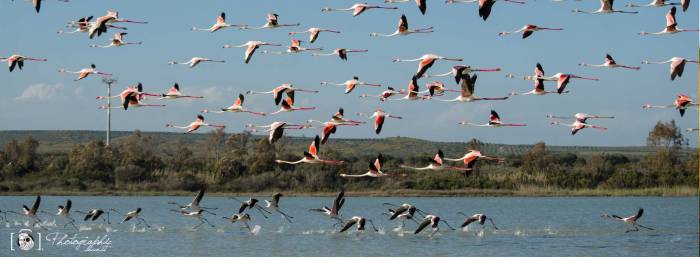
Do you care for a walk in a natural reserve just fifty meters from the sea to watch flamingos? This you can do here in San Pietro.

salina1

Salina dei Monaci e la Palude del Conte

Storia

La Salina dei Monaci è un abbassamento sabbioso ed è collegata al mare, mediante un canale scavato nella roccia della scogliera. La salina a partire dal 1731,serviva per la popolazione che raccoglieva il sale per il bisogno alimentare. Durante le mareggiate, la salina si allagava e permetteva di raccogliere due volte l’anno, quello che veniva chiamato “ l’oro bianco”. Nel 1940 – 1950 fu avviata un’opera di bonifica antimalarica.. Ma solo dal 2010 è stata recuperata e inserita nell’Elenco delle Aree naturali protette italiane con la realizzazione di un Parco grande 25mila metri quadrati, e ripristinando un habitat naturale, con esemplari di flora alofila quali : crisantemi marini, giuncheti , salicornie, macchia mediterranea con specie arbustive basse rappresentate da ginestra spinosa, cisti, lentisco, mirto, fillirea. Qui possiamo incontrare i Cavalieri d’Italia, ed i Fenicotteri Rosa. La Palude del Conte è una zona piu’ umida ed abbraccia il territorio che va da Avetrana, Manduria e Porto Cesareo, anche qui riscontriamo la tipica macchia mediterranea con arbusti di mirto, lentisco, estesi canneti e pini d’aleppo.

Riferimenti

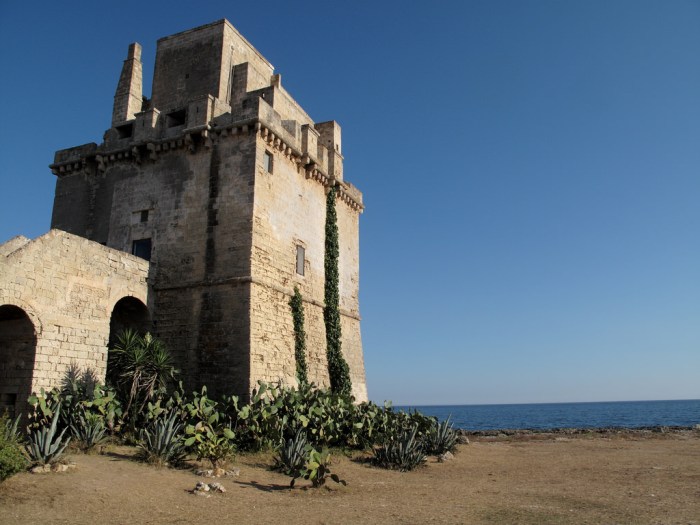
Riserve Naturali Salina e Dune di Torre Colimena

Le riserve naturali regionali orientate del litorale tarantino orientale sono state istituite con legge regionale nr. 24 del 23/12/2002 e si estendono per una superficie complessiva di 1081,34 ettari.

Orario di visita: dalle ore 9.00 alle ore 12.00 e dalle ore 17.00 alle ore 20.30

Ufficio Riserva Naturale – tel. 099.9795514

Source: http://rete.comuni-italiani.it/wiki/Manduria/Salina_dei_Monaci_e_la_Palude_del_Conte

salina2

The Chidro River / Fiume Chidro

A tiny river that makes the San Pietro in Bevagna beach really unique: you can swim (and even dive!) in crystal clear fresh water on your beach!

Less than 2 kilometres from Villa Edina you find this tiny river. This is the main water flow of the entire Apulian Ionian Coast. Ancient charters describe it as a fishing place and a source of water availability for many different purposes. According to Manduria citizens this is the legendary river believed to have risen from the tears spilt by Saint Peters to expiate the sense of guilt for having denied Christ. According to the legend, Saint Peters with his tears cured Fellone, King of Felline (an ancient lineage) of leprosy. The spontaneous vegetation is the typical one of freshwater rivers and luxuriant along the whole course.

Il fiume Chidro, lungo solo 350 metri, nasce tra il fiume Borraco e Torre Colimena. Le acque salmastre, sono alimentate da sorgenti sotterranee,e, sfociano nel mare mediante un canale formatosi naturalmente. La sua importanza la si deve per la presenza di rare specie igrofile e per la scoperta di interesse archeologico di numerosi sarcofagi marmorei, risalenti al periodo romano. Si può riscontrare anche la presenza di cefali, anguille e papere. Il fiume è frequentato da subacquei che si immergono per ammirare la vegetazione. Per gli abitanti di Manduria, il fiume è legato alla leggenda ed alla presenza dell’Apostolo S. Pietro, nel 45 d.c., le cui acque sarebbero le lacrime versate da S. Pietro per espiare la colpa di aver rinnegato Cristo. Con esse avrebbe battezzato gli abitanti della Bevanda, riferito oggi a San Pietro in Bevagna, e secondo la leggenda, la fonte battesimale in pietra, quella oggi conservata nella Chiesa di San Pietro, sarebbe stata utilizzata per il battesimo; sempre secondo la leggenda, le sue acque guarirono dalla lebbra l’Apostolo Pietro. Inoltre si può osservare il fenomeno dei “ citri”, il ribollire della sabbia, ma, il fenomeno più particolare è dovuto all’enorme getto d’acqua che fuoriesce con notevole pressione, dalla sorgente situata a 12 metri di profondità. Anche la Salina dei Monaci e la Palude del Conte è stato considerato Sito di Importanza Comunitaria,(S.I.C.), secondo la direttiva 92/43/CEE , ed istituita con Legge Regionale n. 24 del 23/12/2002.

Watch this:

https://www.youtube.com/watch?v=9aer_R8oFzc

https://www.youtube.com/watch?v=q2lcJEDTtH8

The “PRIMITIVO”

A shocking name for a wine at first sight. But this is how it is. What really matters is that this wine is excellent – and full of character.

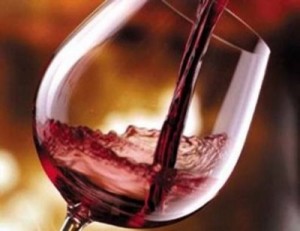
Primitivo di Manduria is a heavy, blunt red wine; an effect of the warm growing conditions in Southern Italy’s Apulia region.

primitivo2

The quality of Primitivo wine has been recognized in Italy for centuries. It was once mainly used for blending by more commercially successful wineries in Northern Italy. They relied on it to give their wines depth. Because of a general lack of commercialization in Apulia, Primitivo is still largely unknown outside of Italy. Small-scale producers have a hard time reaching the international market to compete on the same level as more famous Italian wine varieties.

The Primitivo grape variety was discovered to be genetically similar to California’s Zinfandel. It has its roots in the oldest of wine traditions. While some claim that the Primitivo grape is originated in ancient Greece and been brought over by some of the first settlers of the Italian peninsula, recent research based upon DNA has shown it to be geneticall identical to a Croatian varietal.

Primitivo di Manduria DOC is made from 100% Primitivo grapes (unlike other Primitivo wines, like Gioia del Colle Primitivo, which are blends). This wine is also characterized by an unusually high alcohol by volume percentage – around 14%. Wines made from Primitivo have notes of plum and spice, like Zinfandel, but because of different growing soils and climate, the fruit character is less jammy, the structure more akin to old world wines, with rustic notes of earth and spice, as well as tamed fruit flavors

Source: Wikipedia

More on the primitivo here:

http://www.wine-searcher.com/regions-primitivo+di+manduria

Manduria – the mother town of San Pietro in Bevagna

San Pietro in Bevagna is the beach village of the charming town of Manduria which is some 10 kilometers further up to the north. Manduria is a so far underrated gem, an ancient city with a lot of interesting sights to offer.

Manduria is a city and comune of Apulia, Italy, in the province of Taranto. With c. 32,000 inhabitants (2013), it is located 35 kilometres (22 mi) east of Taranto, and 14 kilometres (9 mi) north of the coast.

History

It was an important stronghold of the Messapii against Taras. Archidamus III, king of Sparta, fell beneath its walls in 338 BC, while leading the army of the latter (Manduria is also referred to as “Mandonion” in works by the Greek and Roman historian Plutarch). Manduria revolted against Hannibal, but was taken in 209 BC.

Pliny the Elder mentions Manduria in Natural History. He describes a well with a strangely constant water level. No matter how much water was taken out the water level never changed. The well also features an almond tree growing right from the middle of the well shaft. The well may still be seen today.

The town was destroyed by the Saracens in the 10th century. The inhabitants rebuilt on the site of the present town, which they renamed Casalnuovo. In 1700 they took back the ancient name of Manduria.

Main sights

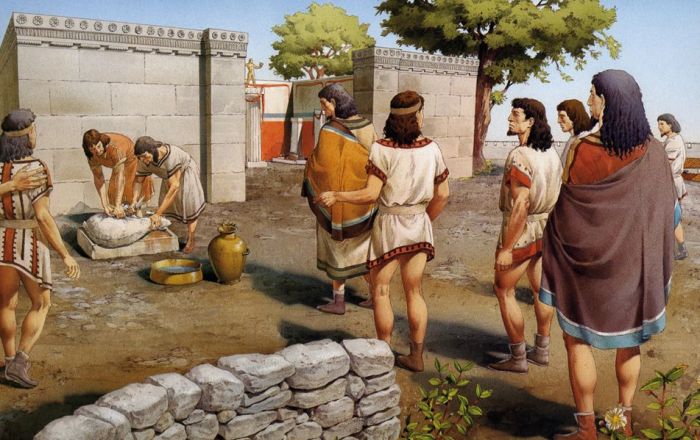
The modern city is close to the site of the ancient Manduria, considerable remains of the defences of which can still be seen; they consisted of a double line of wall built of rectangular blocks of stone, without mortar, and with a broad ditch in front. Ancient tombs with gold ornaments were found in 1886.

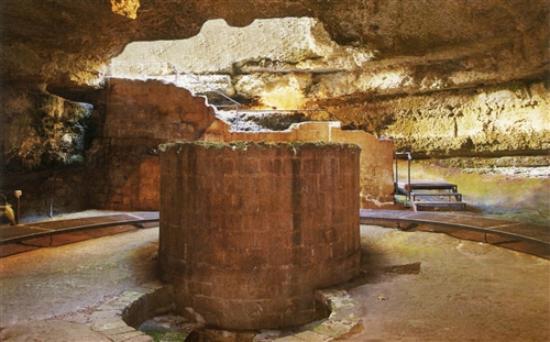
The symbol of the city is a well with an almond tree growing from the center, which was mentioned by the Roman author Pliny the Elder in Naturalis Historia, a work published in the 1st century AD. The well (named Fonte Pliniano after Pliny the Elder ) can still be seen today exactly as it was described some 2,000 years ago, with the almond tree still rising out of the center. Other sights include:

  • Chiesa Madre (or Collegiata) of medieval origin but renovated in the 16th century.
  • Church of San Pietro Mandurino, probably a Hellenistic hall tomb adapted as a church in the 8th-9th century. Is opened to visits by the public only during certain celebrations.
  • Church of the Holy Trinity (11th/12th centuries). It has a façade with three Renaissance portals and a rose window. The 15th-century bell tower is decorated by large masks of unknown origin.
  • Church of SS. Rosario.
  • Church of SS. Immacolata.
  • Church of Santa Lucia (1540)
  • Medieval Jewish Ghetto.
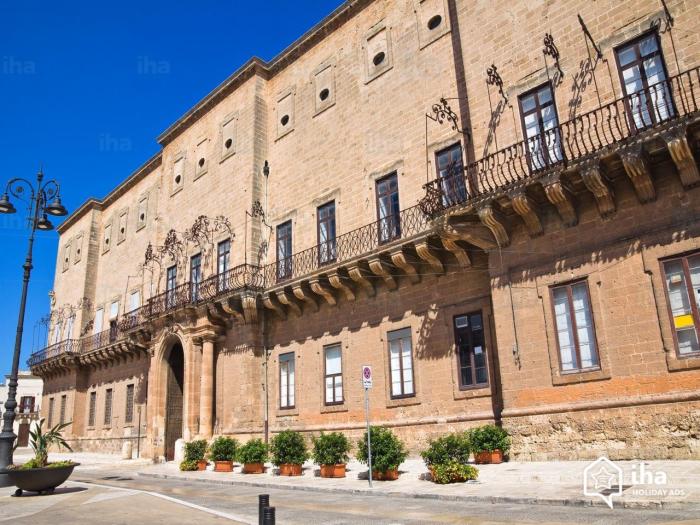
  • Castle, which was the seat of the Imperiali princes from 1719.
  • Archaeological Park
  • Arch of Sant’Angelo, gateway to the historical center

Source: https://en.wikipedia.org/wiki/Manduria

manduria-manduria

Hereunder is the official site of the town of Manduria:

http://www.comune.manduria.ta.it/

Who are the Messapii (Messapici)?

In Southern Puglia you often run into sites and places once used or built by the mysterious Messapii people. But who are they?

The Messapii, or Messapians were an Indo-European people which in historical times lived in Messapia, now parts of central and southern Apulia. They shared the central part with Iapyges to their west and the Salento (the peninsular part of Apulia or “heel” of Italy) with the Salentini. Confusingly, in ancient times, much of the Salento was called Calabria, which is now the name of the modern Italian region in the “toe” of Italy. Their neighbours to their north (in northern Apulia) were the Peucetii, and the Dauni. The chief Messapian towns were Uzentum (modern Ugento), Rudiae (in the outskirts of modern Lecce), Brundisium (modern Brindisi), Hyria and Manduria. They spoke the Messapian language. The Messapii and the Peucetii were sub-branches of the Iapyges. The Messapii are often referred to as “the most southerly of the Iapygian tribes”.

Julius Pokorny derives their ethnonym Messapii from Messapia, interpreted as “(the place) Amid waters”, Mess- from Proto-Indo-European and*mes-, “middle” cf. Albanian *medhyo-, “middle” (cf. Ancient Greek μέσος méssos “middle”), and -apia from Proto-Indo-European *ap-, “water” (cf. another toponym, Salapia, “salt water”).

messapi-storia

History

The origin of the Messapii is debated. The most credited theory is that they came from Illyria as one of the Illyrian tribes who settled in Apulia and that they emerged as a sub-tribe distinct from the rest of the Iapyges. It seems that the Iapyges spread northwards from the Salento.

The pre-Italic settlement of Gnapia, was founded in the fifteenth century BC during the Bronze Age. It was captured and settled by the Iapyges, as they occupied large tracts of territory in Apulia. The Messapii developed a distinct identity from the Iapyges. Rudiae was first settled from the late ninth or early eighth centuries BC. In the late sixth century BC it developed into a much more important settlement. It flourished under the Messapii, but after their defeat by Rome it dwindled and became a small village. The nearby Lupiae (Lecce) flourished at its expense. The Messapi did not have a centralised form of government. Their towns were independent city-states. They had trade relationships with the Greek cities of Magna Graecia.

In 473 BC the Greek city of Tarentum (which was on the border with Messapia) and its ally, Rhegion, tried to seize some of the towns of the Messapii and Peucetii. However, the Iapyge tribes defeated them thanks to the superiority of their cavalry. The war against Tarentum continued until 467 BC.

During the Second Peloponnesian War between Athens and Sparta, the Mesapii were allies of Athens. They provided archers for Athens’ a massive expeditionary force sent to attack Syracuse in Sicily (415-13 BC). The expedition was a disaster. The entire force was destroyed.

In 356 BC an alliance between Messapii and Lucani led to the conquest of Heraclea and Matapontus. In 342 BC Tarentum called for the aid of Archidamus III of Sparta. Archidamus died in battle under the walls of the Messapian city of Manduria in 338 BC.

In 333 BC Tarentum called Alexander I of Epirus to help them in their war with their Lucani. Alexander defeated the Messapii. He died in a battle against the Lucani in 330 BC.

After the campaign of Alexander I the Messapii switched allegiance. They allied with Tarentum and Cleonymus of Sparta, who campaigned in the region in 303-02 BC to help Tarentum against, again, the Lucani.

During the Second Samnite War (327-304 BC) between Rome and the Samnites the Messapii, Iapyges and Peucetii sided with the Samnites. Some of the cities of the Dauni sided with Rome and some of them sided with the Samnites. The city of Canusium went over to the Romans in 318 BC. Silvium, a Peucetii frontier town, was under Samnite, but it was captured by Rome in 306 BC.

During the Pyrrhic Wars (280-75 BC) the Messapii sided with Tarentum and Pyrrhus the king of Epirus, in Greece, who landed at Tarentum, ostensibly to help this city in her conflict with the Romans. According to ancient historians, his aim was to conquer Italy. Pyrrhus fought battles against the Romans and a campaign in Sicily. He had to give up the latter and was defeated by the Romans and left Italy. The Messapii were mentioned by Dionysius of Halicarnassus as fighting for Pyrrhus in the Battle of Asculum.

In 272 BC the Romans captured Tarentum. In 267 BC Rome conquered the Messapii and Brundisium. This city became Rome’s port for sailing to the eastern Mediterranean. Subsequently, the Messapii were rarely mentioned in the historical record. They became Romanised. In 217 BC Hydra started issuing coins which often featured Iapagus, the legendary founder of the Iapyges.

During Hannibal‘s invasion of Italy in the Second Punic War (218-201 BC) the Messapii remained loyal to the Romans. The Battle of Cannae, where Hannibal routed the forces of the Romans and their Italic allies, was fought in the heart of the neighbouring Peucetii territory. The Roman survivors were welcomed into nearby Canusium. Part of the final stages of the war were fought out at Monte Gargano, in the northernmost part of Apulia, in the territory of the Dauni.

Language and writing

The Messapii spoke the Messapian language, a centum language belonging to its own branch of Indo-European but possibly on the same branch as the Illyrian languages spoken across the Adriatic in its time. Messapian (or Iapygian) was also spoken by other Iapygian tribes.

The Messapii were familiar with literacy, and adapted the Ionic/Tarentine Greek alphabet to write their own language, recorded in some fifty inscriptions, only partially and indefinitely deciphered thus far.

The language became extinct, as its speakers adopted Latin; some may have adopted Greek.

mura-messapiche

Main cities

The main Messapic cities included:

Other Messapic settlements have been discovered near Francavilla Fontana, San Vito dei Normanni and in Vaste (Poggiardo).


Source: https://en.wikipedia.org/wiki/Messapii

La Chiesa di San Pietro in Bevagna

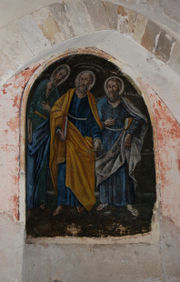
La Chiesa di San Pietro in Bevagna è una basilica dai caratteri neogotici, incastonata nella Torre medioevale. La chiesa fu edificata per proteggere le reliquie di San Pietro. L’edificio infatti sorge nel luogo in cui si narra sbarcò l’apostolo Pietro nel I sec. d.C. Durante gli scavi archeologici eseguiti nel 2004 furono portati alla luce sepolture di epoca bizantina e reperti numismatici che fanno supporre l’esistenza, di una precedente cripta ipogeica sotto l’attuale edificio realizzato tra la fine del quattrocento e metà del cinquecento dai monaci benedettini dell’Abbazia di San Lorenzo di Aversa ai quali, fu donata la torre nel 1092, da Ruggero d’Altavilla. L’altare è ricavato nello zoccolo della torre. L’interno è semplice ad una unica navata, mentre l’esterno presenta sopra la lunetta del portale uno stemma papale in bassorilievo, una finestra istoriata,due stemmi posti lateralmente a bassorilievo, e un piccolo campanile a vela sulla facciata laterale.

 chiesa1chiesa2chiesa3


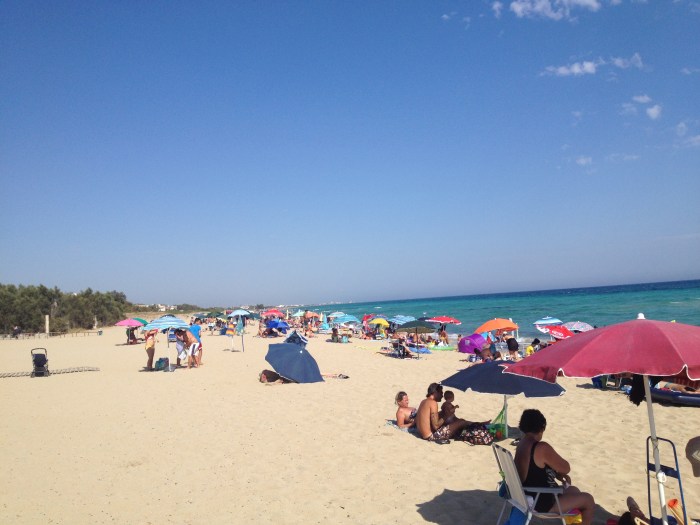
The breath-taking beaches of San Pietro in Bevagna, Puglia, Italy

“The Maldives of Europe.”

“The best beaches in Italy.”

You tend to hear these comments quite often about Salento beaches. They are not only smashing in quality but also spacious and not yet invaded by mass tourism.

img_8585img_8772

Here you can find a good post on the beaches of San Pietro in Bevagna:

http://www.stayciao.com/blog/san-pietro-in-bevagna-beach-in-salento-puglia/